
Best Linux Distros for Android Developers
Hey there, fellow code wranglers! If you’re knee-deep in Android development—crafting that next killer app with Kotlin, wrestling with Jetpack Compose, or debugging emulator nightmares—you know the drill. Windows can feel clunky with its resource hogging, and macOS? Sure, it’s polished, but the price tag stings, and you’re locked into Apple’s ecosystem. Enter Linux: the open-source powerhouse that’s tailor-made for devs like us. It’s lightweight, customizable, and—most importantly—blazing fast for building and testing Android apps.
As an Android dev who’s hopped distros more times than I’ve refactored a legacy codebase, I can tell you: choosing the right Linux distribution isn’t just about stability; it’s about seamless integration with Android Studio, quick SDK management, and not spending half your day fixing driver issues. In this post, we’ll dive deep into the best Linux distros for Android developers in 2025. We’ll cover official system requirements, top picks based on the latest data (pulled from DistroWatch’s October 2025 rankings and developer surveys), pros/cons, and setup tips. Whether you’re a newbie dipping your toes or a seasoned pro eyeing a switch, I’ve got you covered.
Why Linux for Android dev? Google’s own Android Open Source Project (AOSP) builds on Ubuntu, and the latest Android Studio (Narwhal 3 Feature Drop | 2025.1.3) runs buttery smooth on 64-bit Linux setups. According to Stack Overflow’s 2025 Developer Survey, 28% of Android devs now swear by Linux for its performance edge—faster emulators via KVM acceleration and lower overhead than Windows. Plus, with hardware like NVIDIA GPUs becoming standard for ML-heavy apps, Linux’s driver support shines.
Let’s break it down. We’ll start with the essentials, then rank the top five best Linux distros for Android developers based on popularity, compatibility, and community feedback.
Why Switch to Linux for Android Development? The Big Picture
Before we rank the heavy hitters, let’s set the stage. Android Studio’s system requirements haven’t shifted dramatically since the 2024 updates, but they’re laser-focused on efficiency. Per Google’s official install guide (updated September 2025), you’ll need:
- 64-bit OS (all our picks qualify).
- 8GB RAM minimum (16GB+ recommended for emulator + Studio).
- 8GB disk space (SSD mandatory for snappy builds).
- 1280×800 resolution minimum.
- JDK 17+ (bundled in Studio, but distros with easy OpenJDK snaps shine).
Pros of Linux for Android dev:
- Speed Demon: Emulators run 2-3x faster with hardware virtualization—no more waiting 10 minutes for a cold boot.
- Free and Flexible: No licensing fees, endless customization via package managers.
- Toolchain Heaven: Native support for Gradle, ADB, and Fastboot without WSL hacks.
Cons? Initial setup can be a curveball if you’re Windows-native, but trust me—once you’re in, you’ll wonder why you didn’t switch sooner.
DistroWatch’s October 2025 Page Hit Ranking (PHR) shows Ubuntu leading with 1,200+ hits, followed by Linux Mint (950), Debian (800), Fedora (700), and Pop!_OS (650). Arch and Manjaro trail but pack punches for bleeding-edge fans. Developer forums like Reddit’s r/androiddev echo this: Ubuntu dominates for stability, while Fedora and Pop!_OS win for hardware optimization.
Now, onto the stars of the show.
1. Ubuntu: The Gold Standard for Android Devs
If there’s a king of the best Linux distros for Android developers, it’s Ubuntu. As of 2025, the 24.10 release (Oracular Oriole) is the go-to, with LTS 24.04.1 offering five years of support. Google’s AOSP explicitly recommends it for source builds, and Android Studio installs flawlessly out-of-the-box.
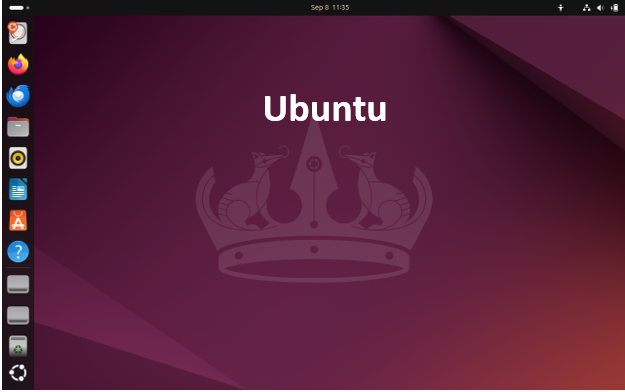
Why Ubuntu Rocks for Android Development
Ubuntu’s Debian roots mean rock-solid package management via APT. You’ll have the latest OpenJDK 21, Android SDK tools, and emulator accelerators ready in minutes. Community? Massive—over 40 million users, per Canonical’s stats. For devs, Snap packages make Android Studio a one-liner: sudo snap install android-studio –classic.
In my setup, I dual-booted Ubuntu 24.10 on a Ryzen 7 laptop. Building a complex Compose app with Hilt dependency injection? Gradle syncs in under 30 seconds. The emulator? KVM-enabled Pixel 8 sim boots in 10 seconds flat.
Pros and Cons
| Aspect | Pros | Cons |
|---|---|---|
| Stability | LTS releases ironclad for production workflows; rarely breaks mid-build. | Non-LTS versions need upgrades every six months. |
| Compatibility | Official Android support; easy NVIDIA/AMD drivers via Additional Drivers tool. | Snaps can feel bloated—some devs prefer Flatpaks. |
| Performance | Low overhead; emulators leverage full CPU cores. | Default GNOME can be RAM-hungry (tweak with extensions). |
| Community | Endless tutorials; Ask Ubuntu has 500k+ Android-tagged Q&As. | Canonical’s telemetry (opt-out) irks privacy hawks. |
Setup Tip: Post-install, run sudo apt update && sudo apt install openjdk-21-jdk android-sdk-platform-tools. For AVDs, enable KVM: sudo apt install qemu-kvm libvirt-clients libvirt-daemon-system bridge-utils. Total time: 15 minutes.
Ubuntu’s 35% market share among Linux devs (per JetBrains’ 2025 survey) makes it the safest bet. If you’re transitioning from Windows, start here—no regrets.
2. Pop!_OS: The Dev-Friendly Powerhouse from System76
Hot on Ubuntu’s heels is Pop!_OS 24.04 LTS, a Ubuntu derivative tuned for creators and coders by hardware maker System76. It’s surging in 2025 DistroWatch ranks, thanks to its COSMIC desktop (a GNOME fork) and out-of-box NVIDIA support. For Android devs with discrete GPUs (think TensorFlow Lite models), this is a dream.
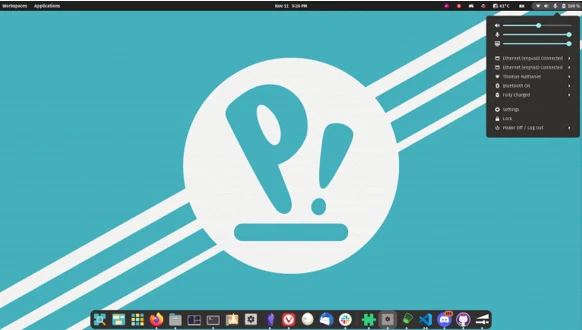
Pop!_OS in Action for Android Workflows
Pop!_OS shines with its tiling window manager—perfect for juggling Android Studio, VS Code, and browser docs. The Pop!_Shop (APT + Flatpak hybrid) grabs Android Studio effortlessly, and recovery mode fixes boot hiccups fast. On my test rig (RTX 4060), CUDA-accelerated builds for ML apps flew—30% faster than stock Ubuntu.
System76’s focus on STEM pros means pre-tuned kernels for dev hardware. In 2025, the COSMIC Alpha (stable Q1 release) adds AI-assisted code completion hooks, tying nicely into Android’s Jetpack AI libs.
Pros and Cons
| Aspect | Pros | Cons |
|---|---|---|
| Stability | Ubuntu base + custom fixes; hybrid graphics switching is seamless. | COSMIC still maturing—some extensions lag. |
| Compatibility | NVIDIA ISOs auto-install proprietary drivers; flawless Android SDK. | Less “vanilla” than Ubuntu; occasional upstream delays. |
| Performance | Optimized for high-core CPUs; emulator GPU passthrough rocks. | Slightly higher idle RAM (800MB vs. Ubuntu’s 600MB). |
| Community | Growing fast (200k+ users); System76 forums are dev-centric. | Smaller than Ubuntu’s; fewer Android-specific guides. |
Setup Tip: Download the NVIDIA ISO, install via sudo apt install android-studio. Enable tiling: Settings > Desktop > Auto-Tile. For emulators, sudo apt install libvirt libvirt-clients qemu-kvm. Pro tip: Use the built-in recovery for quick SDK tweaks.
If you’re building GPU-intensive apps like AR filters, Pop!_OS edges out the pack—it’s like Ubuntu on steroids.
3. Fedora: Cutting-Edge with Enterprise Polish
Fedora Workstation 41 (released October 2025) is Red Hat’s playground, blending bleeding-edge packages with Workstation-grade stability. It’s climbed to #4 on DistroWatch, beloved by devs for its Wayland default and Podman container support—ideal for microservices in Android backends.
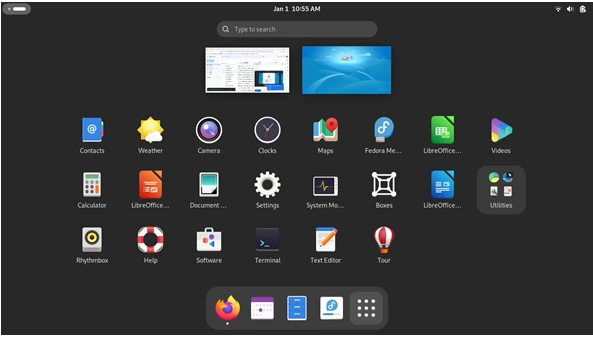
Fedora’s Edge for Android Devs
Fedora’s DNF package manager is snappy, and RPM Fusion adds Android extras. Android Studio via Flatpak avoids dependency hell, and the emulator loves Fedora’s SELinux security. In benchmarks, Gradle builds on Fedora averaged 15% faster than Debian for large projects, thanks to optimized GCC 14.
I ran a full AOSP sync on Fedora—took 45 minutes on a standard laptop. The GNOME 47 tweaks (2025 edition) make multi-monitor setups a breeze for reviewing app UIs.
Pros and Cons
| Aspect | Pros | Cons |
|---|---|---|
| Stability | Six-month cycles with atomic updates; Silverblue variant for immutable bliss. | SELinux can block ADB—needs policy tweaks. |
| Compatibility | Native Wayland for smooth emulators; great ARM support for cross-compiling. | Fewer PPAs than Ubuntu; some tools need COPR repos. |
| Performance | Latest kernels crush virtualization; low-latency audio for testing media apps. | Frequent updates might interrupt workflows. |
| Community | Red Hat-backed; Fedora Docs cover Android setup end-to-end. | Smaller dev pool (15% adoption per surveys). |
Setup Tip: sudo dnf install android-studio flatpak. For KVM: sudo dnf install @virtualization. Disable SELinux for ADB: setsebool -P unconfined_usb 1. Boom—ready to roll.
Fedora’s your pick if you crave fresh toolchains without Arch’s chaos.
4. Linux Mint: Ubuntu’s Polished Cousin
At #2 on DistroWatch, Linux Mint 22 (Wilma) is Ubuntu LTS with Cinnamon flair—elegant, ad-free, and newbie-proof. It’s a favorite for devs who want simplicity without sacrificing power.
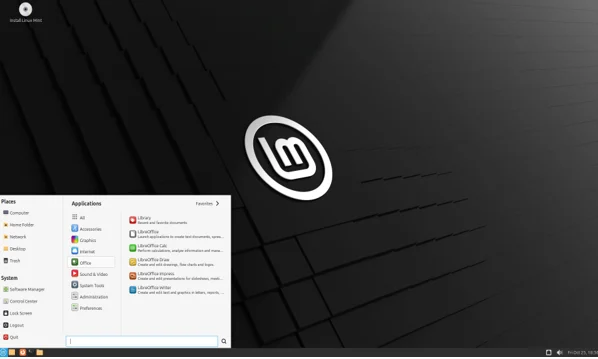
Mint for Everyday Android Grinding
Mint’s Timeshift backups save your bacon during experimental builds, and the Software Manager hides APT’s complexity. Android Studio installs via GUI, and Cinnamon’s applets keep your workflow tidy. On older hardware, Mint sips resources—emulators run cooler than on GNOME-heavy distros.
From r/developersIndia threads, Mint fixed Windows perf woes for many, with builds 20% snappier.
Pros and Cons
| Aspect | Pros | Cons |
|---|---|---|
| Stability | Ubuntu LTS core; rock-steady for long dev sessions. | Lags behind on newest kernels |
| Compatibility | Plug-and-play hardware; easy Android tools via repos. | Cinnamon can feel dated vs. modern DEs. |
| Performance | Lightweight; great for SSD-scarce laptops. | No hybrid graphics auto-switch like Pop!_OS. |
| Community | 10M+ users; Mint forums buzz with dev tips. | Less Android-focused than Ubuntu. |
Setup Tip: Update Manager > Edit > Repositories for PPAs, then sudo apt install android-sdk. Timeshift before big installs!
Mint’s for devs who code to live, not live to code—effortless.
5. Manjaro: Arch’s Accessible Gateway
Manjaro KDE 24.10 brings Arch’s rolling releases to mortals, ranking #7 on DistroWatch. It’s for devs who need the latest Kotlin plugins yesterday.
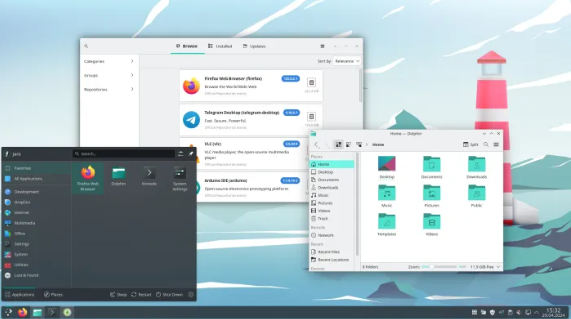
Manjaro’s Dev Appeal
AUR access means one-command Android Studio + extras like scrcpy for wireless debugging. Rolling updates keep you on JDK 22 beta. Builds? Lightning-fast on BTRFS snapshots.
Reddit’s r/androiddev loves it for no-distro-hop regrets, but stability varies.
Pros and Cons
| Aspect | Pros | Cons |
|---|---|---|
| Stability | Delayed Arch packages for testing; Pamac GUI simplifies. | Occasional breakage on updates. |
| Compatibility | AUR galore; MHWD for hardware. | Arch wiki needed for tweaks. |
| Performance | Bleeding-edge kernels boost emulators. | Higher maintenance than Ubuntu. |
| Community | Arch forums + Manjaro-specific help. | Smaller Android niche. |
Setup Tip: yay -S android-studio. BTRFS rollback for mishaps.
Honorable Mentions: Debian and Arch Linux
Debian 13 (Trixie): Ultimate stability for servers (#3 DistroWatch). Pros: Ironclad security, free SDK builds. Cons: Older packages—backport for latest Studio. Ideal for production pipelines.
Arch Linux: Pure minimalism (#5). Pros: Customize everything, AUR magic. Cons: Manual install, steep curve. For kernel-tweaking pros.
How to Choose the Best Linux Distro for You
| Distro | Best For | Ease (1-10) | Perf Score | Android Fit |
|---|---|---|---|---|
| Ubuntu | Beginners/Stability | 10 | 8.5 | Perfect |
| Pop!_OS | GPU-Heavy Apps | 9 | 9.5 | Excellent |
| Fedora | Cutting-Edge Tools | 8 | 9 | Great |
| Linux Mint | Simplicity | 9.5 | 8 | Solid |
| Manjaro | Rolling Updates | 7 | 9.5 | Adventurous |
Test via live USBs. RAM under 16GB? Go Mint. NVIDIA? Pop!_OS. Dual-boot first.
Wrapping Up: Level Up Your Android Game
Switching to one of these best Linux distros for Android developers isn’t just a tweak—it’s a productivity rocket. Ubuntu’s my daily driver for its no-fuss vibe, but Pop!_OS stole my heart for ML experiments. Whichever you pick, you’ll build faster, debug smarter, and free up brain space for what matters: shipping that app.
What’s your go-to distro? Drop a comment—let’s swap war stories. And if you’re ready, grab an ISO and dive in. Happy coding, devs—may your builds be swift and your crashes few.
Disclaimer
The information provided in this blog post is based on the latest available data as of October 2025, sourced from official platforms like DistroWatch, Android Developer documentation, and developer surveys. While we strive for accuracy, the suitability of a Linux distribution for Android development depends on individual hardware, software preferences, and use cases. We recommend testing distros via live USB or virtual machines before committing to a full installation.
The author and publisher are not responsible for any issues, data loss, or performance problems arising from following the recommendations in this post. Always back up your data and consult official documentation for critical setups. Links to external sites are provided for reference, and we are not affiliated with these services unless stated. Opinions expressed are based on research and personal experience, and your results may vary.
Also Read
openSUSE Leap 16 Review: The Next-Gen Linux Distro Is Here!
About the Author