
Top Linux Phones to Watch in 2025
In a world where smartphones are practically extensions of ourselves, privacy and control over our devices have become burning topics. If you’re tired of the walled gardens of iOS and Android, or just curious about what else is out there, Linux phones might be your next obsession. These devices, powered by open-source operating systems, promise unmatched customization, robust privacy features, and freedom from Big Tech’s data-hungry ecosystems.
As we step into 2025, the Linux phone market is heating up with exciting new players and refined classics. This blog post Top Linux Phones to Watch in 2025 dives into the top Linux phones to watch this year, packed with the latest official data, specs, and insights to help you decide if it’s time to make the switch.
Why Linux Phones in 2025?
Before we jump into the devices, let’s talk about why Linux phones are gaining traction. Unlike Android (which, yes, uses a Linux kernel but is heavily modified) or iOS, Linux phones run pure Linux-based operating systems like Ubuntu Touch, PureOS, or PostmarketOS. These systems prioritize user control, transparency, and security. With growing concerns about data privacy—think Google’s tracking or Apple’s ecosystem lock-in—Linux phones offer a refreshing alternative. They’re not just for tech geeks anymore; they’re for anyone who wants a phone that respects their data and lets them tinker under the hood.
In 2025, Linux phones are stepping up with better hardware, improved software ecosystems, and stronger community support. From privacy-focused kill switches to modular designs, these devices are pushing boundaries. Plus, many now support Android app compatibility through tools like Anbox or Waydroid, making the transition smoother. Ready to explore the top contenders? Let’s dive in!
1. Purism Librem 5 & Liberty Phone: The Privacy Powerhouse
Purism has been a darling of the Linux community for years, and their Librem 5 remains a flagship for privacy-focused users. In 2025, they’ve upped the ante with the Liberty Phone, a premium iteration of the Librem 5 that’s turning heads.

Key Features
- Operating System: PureOS, a fully free and open-source software (FOSS) OS not based on Android or iOS.
- Hardware: NXP i.MX8M Quad-Core processor, 4GB RAM, 32GB eMMC storage (Librem 5); Liberty Phone boosts this with 6GB RAM and 64GB storage.
- Privacy Features: Physical kill switches for microphone, camera, Wi-Fi, Bluetooth, and cellular modem—perfect for the ultra-paranoid.
- Price: Librem 5 starts at $749; Liberty Phone at $999.
- Unique Selling Point: Tamper-evident hardware and end-to-end encrypted calling/messaging via Matrix apps.
Why It Stands Out
The Librem 5 and Liberty Phone are built from the ground up for security. You can physically disconnect components like the camera or microphone, ensuring no app can spy on you without your consent. PureOS offers a GNOME-based mobile interface that’s intuitive yet powerful, with shell access for advanced users. The Liberty Phone, launched in 2024, brings a snappier processor and better battery life (4500mAh vs. Librem 5’s 3500mAh), making it a stronger daily driver.
Who’s It For?
If privacy is your top priority and you’re willing to pay a premium, these phones are unbeatable. They’re ideal for developers, open-source enthusiasts, or anyone distrustful of mainstream tech giants. However, the app ecosystem is limited compared to Android, so expect to rely on web apps or Linux-native alternatives.
Drawbacks
- Pricey, especially the Liberty Phone.
- Performance can lag with heavy multitasking or 3D gaming.
- Shipping delays have been an issue for international buyers (though U.S. delivery is now ~14 days).
Pro Tip: Pair the Liberty Phone with a VPN and encrypted messaging apps like Signal for maximum privacy.
2. PinePhone Pro: The Affordable Tinkerer’s Dream
Pine64’s PinePhone Pro continues to be a fan favorite for its affordability and hackability. At just $399, it’s one of the most accessible Linux phones in 2025, offering a playground for enthusiasts and budget-conscious users alike.

Key Features
- Operating System: Supports multiple Linux distros (PostmarketOS, Ubuntu Touch, Manjaro, Sailfish OS, etc.).
- Hardware: Rockchip RK3399S processor, 4GB RAM, 128GB eMMC storage, microSD slot.
- Privacy Features: Five kill switches (LTE, Wi-Fi, Bluetooth, camera, microphone).
- Price: $399.
- Unique Selling Point: Six pogo pins for custom hardware extensions like keyboards, thermal cameras, or wireless charging.
Why It Stands Out
The PinePhone Pro is the Swiss Army knife of Linux phones. Its support for multiple distros lets you experiment with PostmarketOS for longevity or Ubuntu Touch for a polished experience. The pogo pins are a game-changer, allowing you to add quirky accessories like a keyboard case for a mini-laptop vibe. At 1440x720p, the IPS display is modest but vibrant, and the 3000mAh battery is user-replaceable, emphasizing repairability.
Who’s It For?
Tech tinkerers, students, or anyone on a budget who wants to dip their toes into Linux phones. It’s not as polished as the Librem 5, but its versatility and price make it a fantastic entry point.
Drawbacks
- Performance is decent but not stellar—don’t expect to run heavy apps smoothly.
- Some distros may have occasional bugs, requiring tech-savvy troubleshooting.
- Camera quality (5MP front, 13MP rear) is basic at best.
Pro Tip: Try Manjaro with Plasma Mobile for a smooth, desktop-like experience on the PinePhone Pro.
3. Liberux NEXX: The Next-Gen Beast
New kid on the block, the Liberux NEXX is making waves in 2025 with specs that rival high-end Android phones. If you thought Linux phones were underpowered, this device might change your mind.

Key Features
- Operating System: Debian-based with Phosh interface.
- Hardware: Octa-core CPU (up to 2.4GHz), 32GB RAM, 256GB eMMC storage, 5G support.
- Privacy Features: Hardware kill switches, encrypted file systems.
- Price: ~$1299.
- Unique Selling Point: Desktop-grade performance in a mobile form factor.
Why It Stands Out
The Liberux NEXX is a beast, boasting specs that make it a viable replacement for a laptop. With 32GB of RAM and 2TB storage options, it’s built for power users who want to run full Linux desktop apps on the go. The Phosh interface is sleek and responsive, and 5G connectivity ensures blazing-fast internet. It’s also repairable, with a modular design that lets you swap out components.
Who’s It For?
Developers, professionals, or Linux enthusiasts who need a phone that doubles as a portable workstation. If you’re into running IDEs, virtual machines, or complex scripts on your phone, this is your pick.
Drawbacks
- Steep price tag.
- Limited app ecosystem (though Anbox helps with Android apps).
- Newer brand, so long-term support is unproven.
Pro Tip: Use the NEXX with a dock, monitor, and keyboard for a full desktop experience via convergence.
4. Volla Phone: The User-Friendly Choice
The Volla Phone, now in its second generation (Volla Phone 22), strikes a balance between usability and privacy. It’s a great option for those transitioning from Android but still wanting a familiar experience.

Key Features
- Operating System: Ubuntu Touch (with optional VollaOS dual-boot).
- Hardware: MediaTek Helio P23 processor, 4GB RAM, 128GB storage, 6.3” Full HD+ IPS display.
- Privacy Features: End-to-end encrypted VollaChat, remote data deletion, ARM TrustZone.
- Price: €629.
- Unique Selling Point: Polished Ubuntu Touch experience with Waydroid for Android apps.
Why It Stands Out
The Volla Phone shines with its user-friendly Ubuntu Touch interface, which mimics some Android/iOS conventions while staying true to Linux roots. Its “Scopes” feature provides curated news, weather, and social feeds without invasive tracking. The ability to dual-boot VollaOS (a Google-free Android fork) makes it versatile for users who need specific Android apps. The sleek design and slim bezels give it a modern, premium feel.
Who’s It For?
Newcomers to Linux phones or users who want a balance of privacy and usability. It’s great for those familiar with Ubuntu on desktops.
Drawbacks
- Mid-range processor struggles with heavy tasks.
- Camera (16MP rear, 8MP front) is decent but not spectacular.
- Limited availability in some regions.
Pro Tip: Use Waydroid to run banking or transport apps that aren’t natively available on Ubuntu Touch.
5. Jolla Community Phone: The Sailfish OS Contender
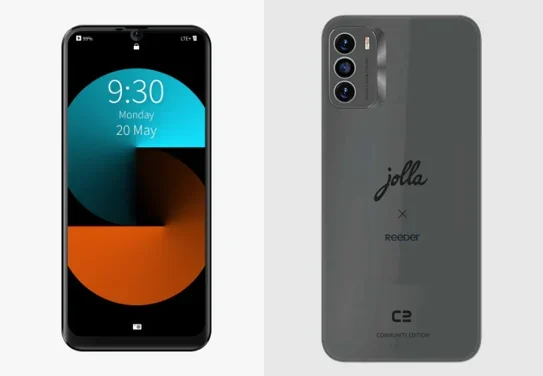
Jolla’s Community Phone, launched in 2025, brings Sailfish OS back into the spotlight. Priced at €299, it’s a budget-friendly option with some surprising capabilities.
Key Features
- Operating System: Sailfish OS 5.0 with Android app support (API level 33).
- Hardware: Octa-core ARM processor, 8GB RAM, 128GB storage.
- Privacy Features: Minimal data collection, customizable privacy settings.
- Price: €299.
- Unique Selling Point: Affordable with Android app compatibility.
Why It Stands Out
Sailfish OS is less open-source than others but offers a polished, gesture-based interface that’s a joy to use. The Community Phone’s specs are solid for the price, and Android app support makes it more practical than some competitors. It’s a great middle ground between Linux purity and mainstream usability.
Who’s It For?
Users who want a Linux phone but need Android apps without the complexity of other distros. It’s ideal for budget-conscious buyers who still want decent performance.
Drawbacks
- Sailfish OS isn’t fully open-source.
- Limited LTE band support for U.S. carriers.
- Camera quality is functional but not outstanding.
Pro Tip: Check Jolla’s official site for LTE band compatibility before buying, especially in the U.S.
What to Consider When Choosing a Linux Phone
Picking the right Linux phone in 2025 depends on your needs. Here are some factors to keep in mind:
- Privacy Needs: If security is paramount, go for the Librem 5 or Liberux NEXX with their kill switches and encrypted systems.
- Budget: The PinePhone Pro and Jolla Community Phone are wallet-friendly, while the NEXX and Liberty Phone cater to premium buyers.
- App Ecosystem: Linux phones lack mainstream apps like Instagram or Google Photos. Check if your must-have apps are available or if Anbox/Waydroid support suffices.
- Tech Savviness: Phones like the PinePhone Pro require some tinkering, while the Volla Phone or Jolla Community Phone are more beginner-friendly.
- Hardware: If you need power for desktop apps or gaming, the Liberux NEXX is your best bet. For casual use, the PinePhone Pro or Volla Phone work well.
The Future of Linux Phones in 2025
The Linux phone market is evolving rapidly. In 2025, we’re seeing better hardware, broader distro support, and growing communities. Projects like PostmarketOS and Ubuntu Touch are expanding device compatibility, while newcomers like the Liberux NEXX push performance boundaries. However, challenges remain—app availability is still limited, and mainstream adoption is a ways off. That said, for privacy advocates, developers, or anyone craving a phone that’s truly theirs, Linux phones are more viable than ever.
Final Thoughts
Linux phones in 2025 are more than just niche gadgets—they’re a statement about freedom, privacy, and control. Whether you’re drawn to the budget-friendly PinePhone Pro, the privacy-first Librem 5, the powerful Liberux NEXX, the user-friendly Volla Phone, or the innovative SageTea XFone, there’s a Linux phone for you. Each device offers a unique blend of features, from kill switches to modular designs, making them worth watching this year.
Ready to break free from the Android/iOS duopoly? Research your must-have apps, check device compatibility, and dive into the Linux phone revolution. Let us know in the comments which Linux phone you’re eyeing or if you’re already rocking one! Happy tinkering!
Disclaimer
The information provided in this blog post about the top Linux phones to watch in 2025 is based on the latest available data from official sources and community updates as of June 2025. However, product specifications, prices, availability, and software features are subject to change, and readers are encouraged to verify details directly with manufacturers or official retailers before making purchasing decisions.
The author and publisher are not responsible for any inaccuracies, outdated information, or issues arising from the use of the devices mentioned. Opinions expressed in this post are for informational purposes only and do not constitute professional advice. Always conduct your own research and consider your specific needs when choosing a Linux phone.
FAQs About Linux Phones in 2025
What’s the big deal with Linux phones anyway?

Linux phones are all about giving you control. Unlike Android or iOS, which can track your every move or lock you into their ecosystems, Linux phones run open-source operating systems like Ubuntu Touch or PureOS. This means you can customize them to your heart’s content, and they’re built with privacy in mind—no sneaky data collection here! Plus, with features like hardware kill switches on phones like the Librem 5, you can physically cut off the camera or mic for peace of mind. They’re perfect for anyone who wants a phone that’s theirs, not Big Tech’s.
Can I run my favorite apps like WhatsApp or Netflix on a Linux phone?
This is a big one! Linux phones don’t have the Google Play Store or Apple App Store, so native apps for things like WhatsApp, Netflix, or Instagram are hit-or-miss. However, many Linux phones in 2025, like the Volla Phone or SageTea XFone, support tools like Anbox or Waydroid, which let you run Android apps in a container. It’s not perfect—some apps might be glitchy or not work at all—but it’s a game-changer for must-have apps. For others, you can often use web versions through a browser. If specific apps are dealbreakers, check compatibility before buying!
Are Linux phones hard to use if I’m not a tech wizard?
Not gonna lie, Linux phones can feel like a learning curve if you’re used to Android or iOS. Devices like the PinePhone Pro might require some tinkering, especially if you’re switching between distros like PostmarketOS or Manjaro. But others, like the Volla Phone with Ubuntu Touch, are designed to be user-friendly with interfaces that feel familiar. If you’re not afraid to Google a few things or join a community forum, you’ll get the hang of it. For total newbies, start with something like the Jolla Community Phone—it’s as close to plug-and-play as Linux phones get.
How’s the performance compared to regular smartphones?
Linux phones in 2025 range from budget-friendly to beastly. The PinePhone Pro ($399) or Jolla Community Phone (€299) have mid-range specs, so don’t expect iPhone-level smoothness for gaming or heavy multitasking. But something like the Liberux NEXX, with 32GB RAM and 5G, can hold its own against high-end Androids for productivity tasks. Battery life varies—think 3000–4500mAh across the board—but optimization depends on the OS. If you’re a power user, go for the NEXX; if you just need calls, texts, and browsing, cheaper options work fine.
Are Linux phones worth the price, especially the expensive ones?
It depends on what you value. High-end models like the Purism Liberty Phone ($999) or Liberux NEXX (~$1299) aren’t cheap, but you’re paying for privacy, open-source software, and sometimes repairable hardware. If you’re fed up with Google or Apple’s data practices, that’s worth its weight in gold. Budget options like the PinePhone Pro are a steal for tinkerers. The catch? You might miss out on mainstream apps or polished performance. Weigh your priorities—privacy and freedom versus app access and convenience—and decide if the trade-offs vibe with you.
Got more questions? Drop them in the comments, and let’s keep the Linux phone convo going!
Also Read
Top 5 Linux Mobile Operating Systems You Should Try in 2025
About the Author