Linux News
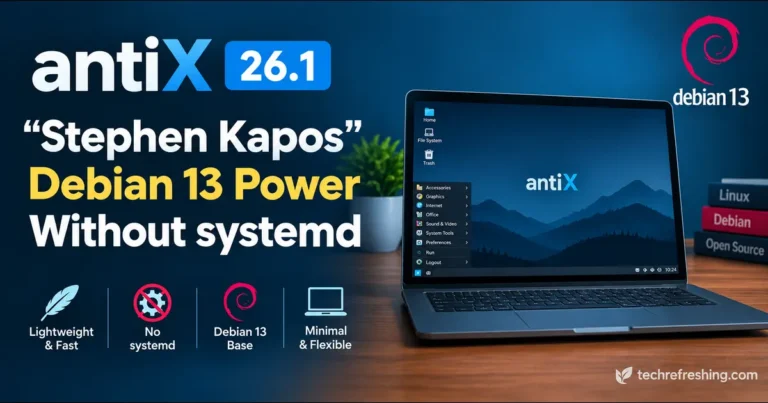
antiX 26.1 “Stephen Kapos”: Debian 13 Power Without systemd
antiX 26.1 “Stephen Kapos” is a Debian 13 bug-fix release with five init systems, updated kernels and no systemd.

Explore
Welcome to the Linux section of TechRefreshing — your home for everything happening in the world of open-source computing. Whether you’re a beginner exploring Linux for the first time or an experienced user looking for deeper insights, this category brings you the latest news, distro reviews, tutorials, app recommendations, tips, and expert guidance. We cover all major distributions like Ubuntu, Fedora, Debian, Arch, Mint, and many others, with clear explanations and practical advice you can use right away.
Our goal is simple: to help you stay informed, learn faster, and get the most out of Linux—without complicated language or technical overload. Dive in, explore, and enjoy a clean, updated, and beginner-friendly Linux hub created for real users.
antiX 26.1 “Stephen Kapos” is a Debian 13 bug-fix release with five init systems, updated kernels and no systemd.
postmarketOS is now Nura. Here's why the mobile Linux project changed its name and what stays the same.
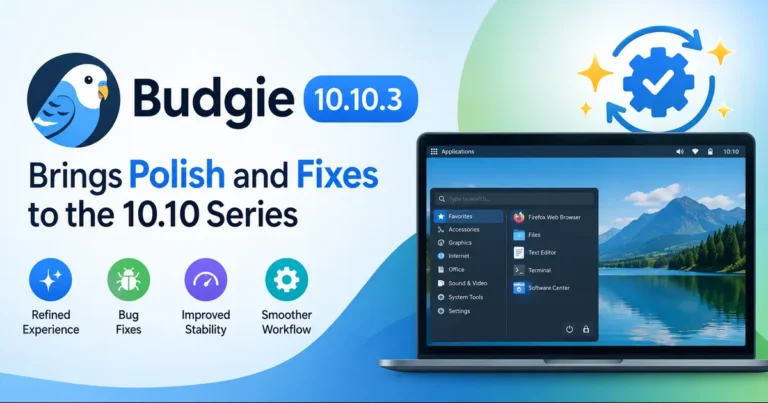
Budgie 10.10.3 adds menu favorites, a returning Keyboard Layout applet, primary monitor selection, and free desktop icon placement.
openKylin 3.0 brings Linux Kernel 7.0 and a true AI-first desktop with KylinBot agents built right into the OS.
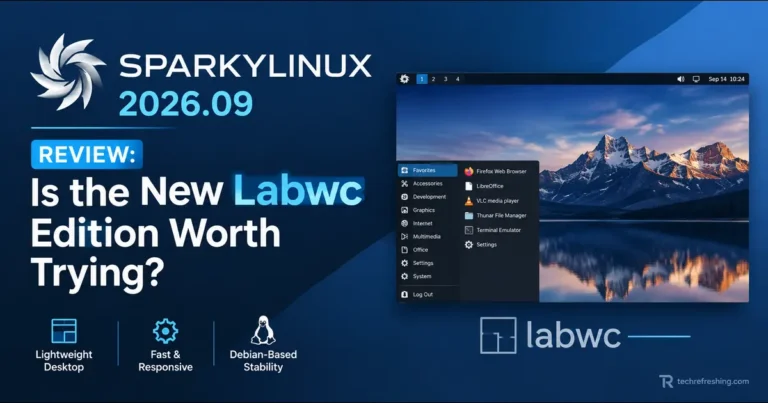
SparkyLinux 2026.09 lands with a new Labwc edition, giving Openbox fans a lightweight Wayland option. Here's the full breakdown.
Bluetooth adapter missing on Linux? Here's how to diagnose and fix it — from rfkill blocks to missing firmware and…
A quick, practical walkthrough for checking Vulkan support on Linux using vulkaninfo, vkcube, and driver diagnostics — plus fixes for…
Garuda Linux now lets you test NixOS with its own Dr460nized and Mokka theming, daily CI builds, and a guided…
Missing the Wi-Fi option on Linux? Here's a practical, step-by-step guide to find and fix the real cause fast.
Screen frozen, resolution stuck, or GPU not detected? Here's exactly how to fix Linux graphics drivers, vendor by vendor, distro…